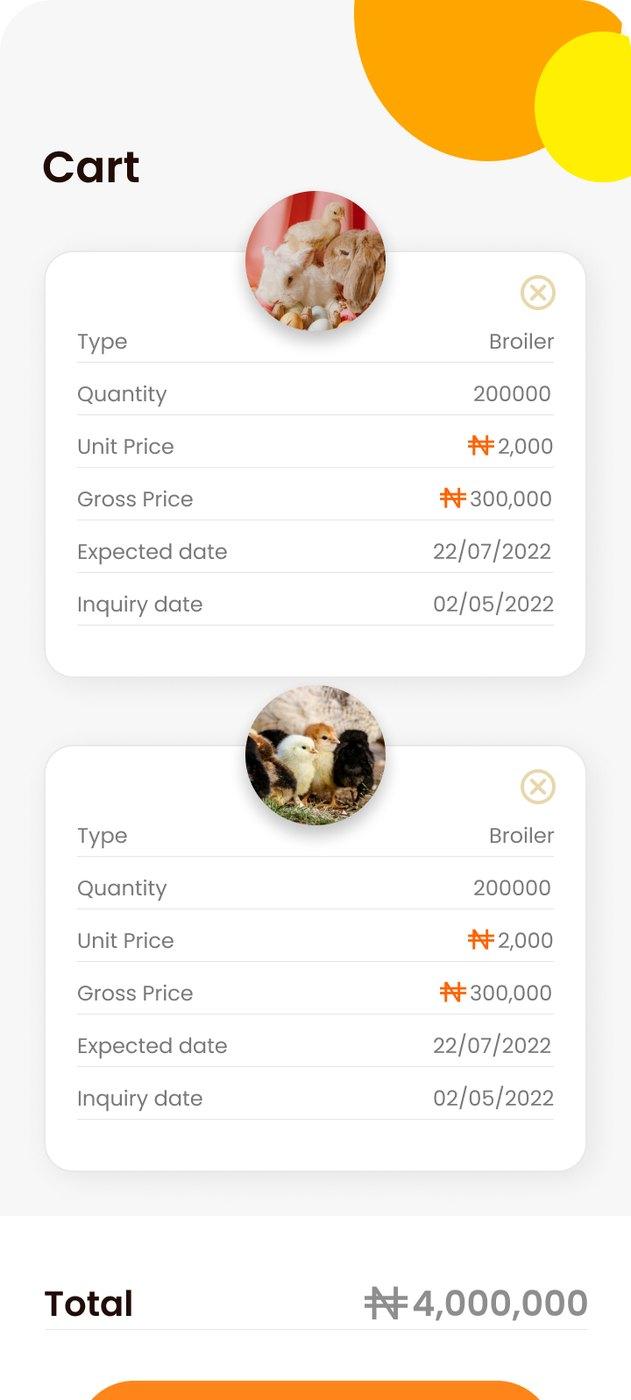
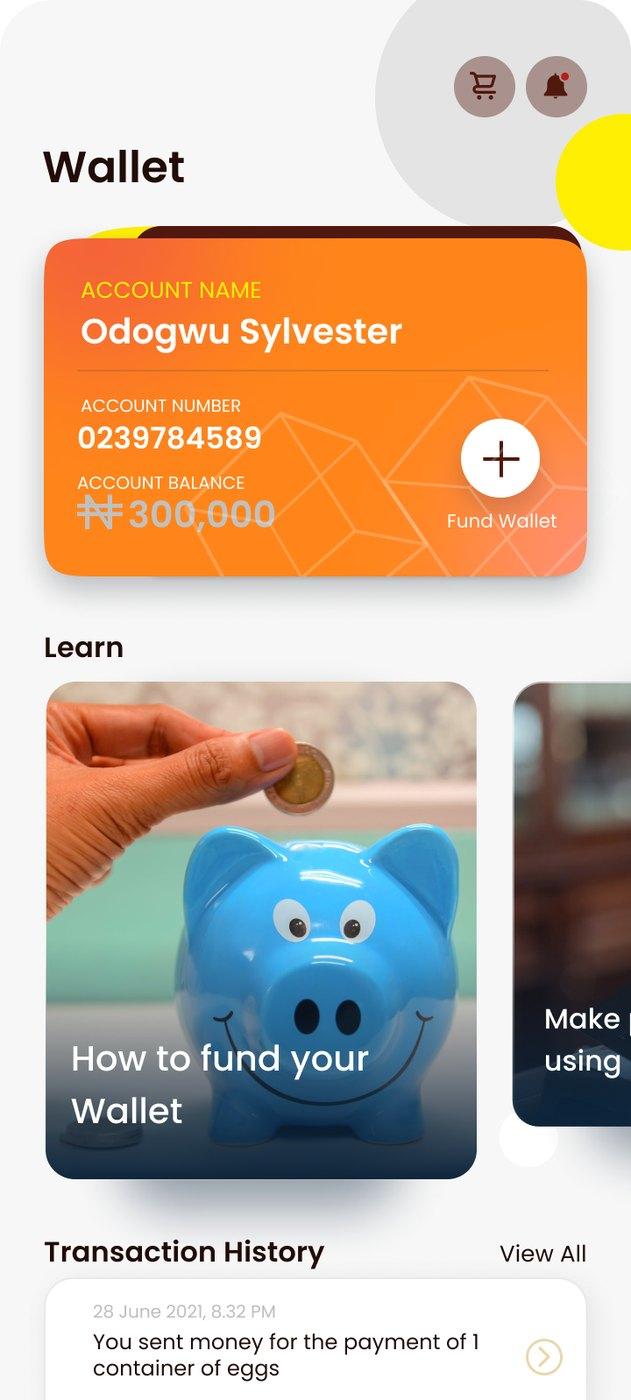
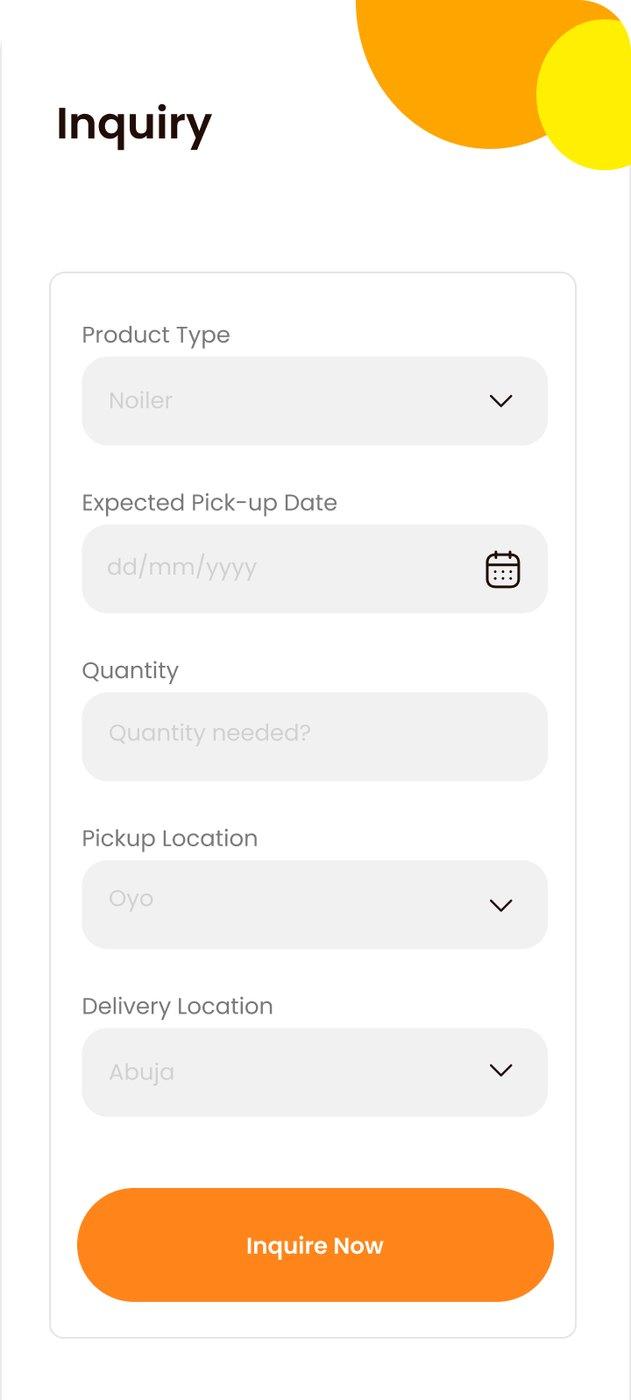
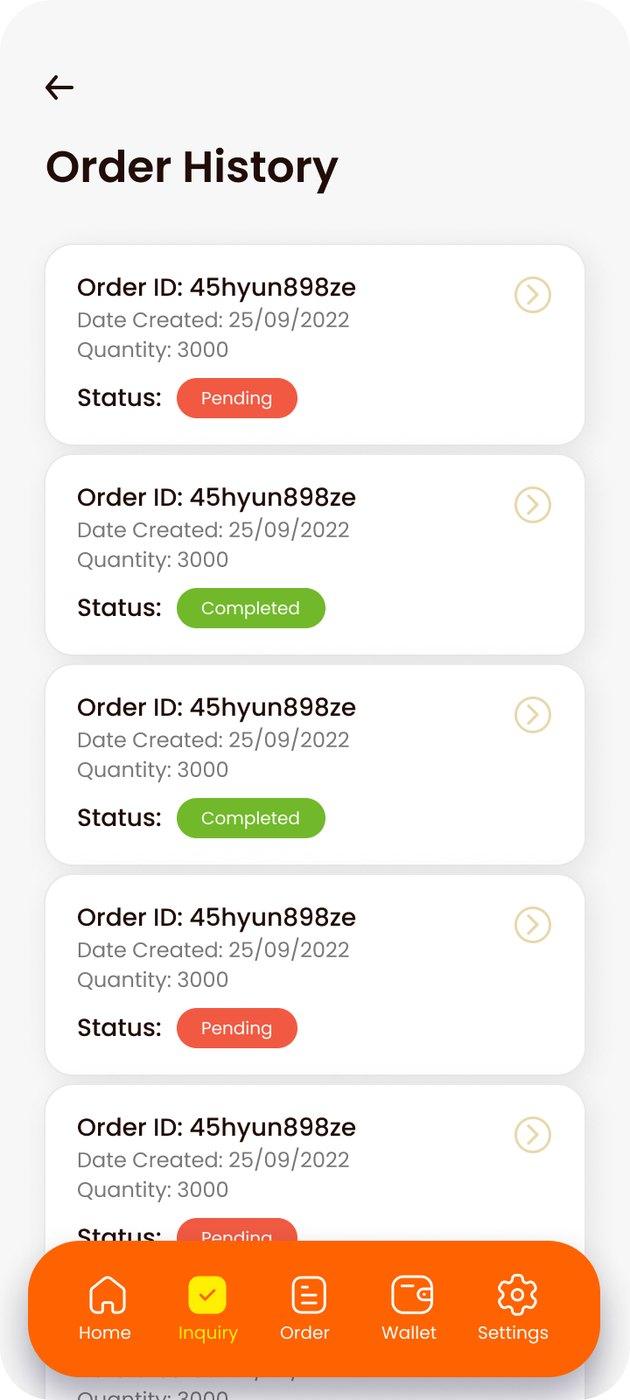
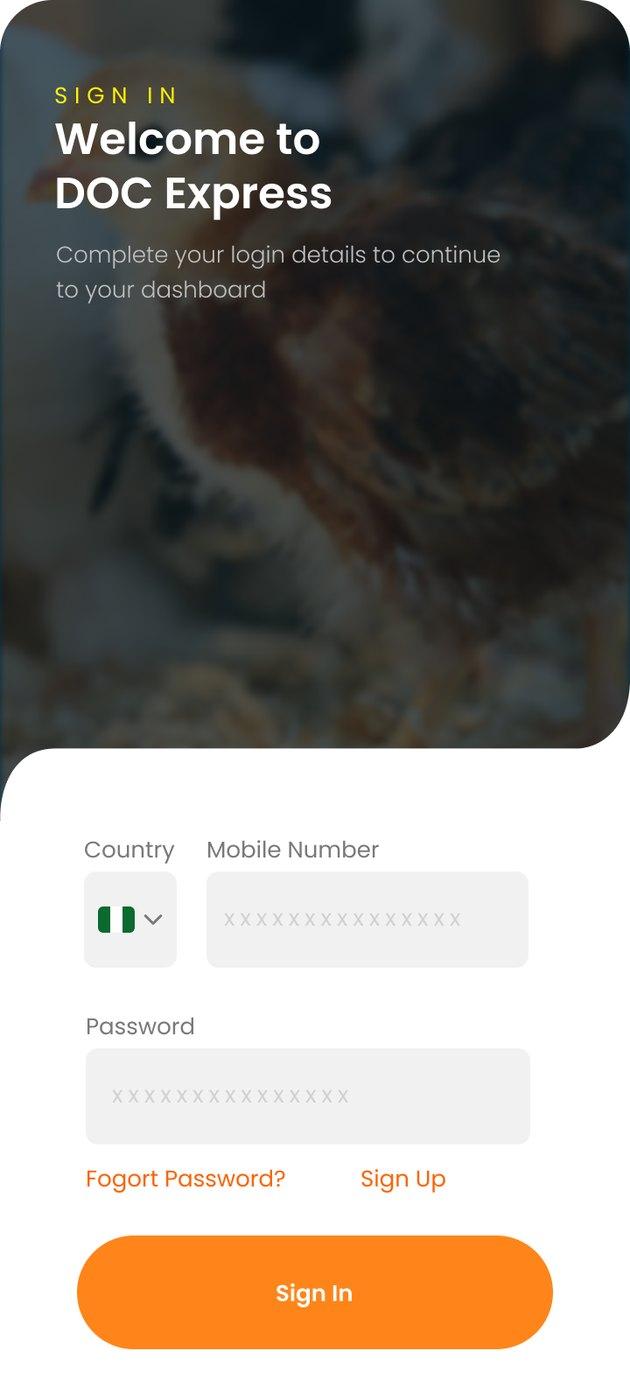
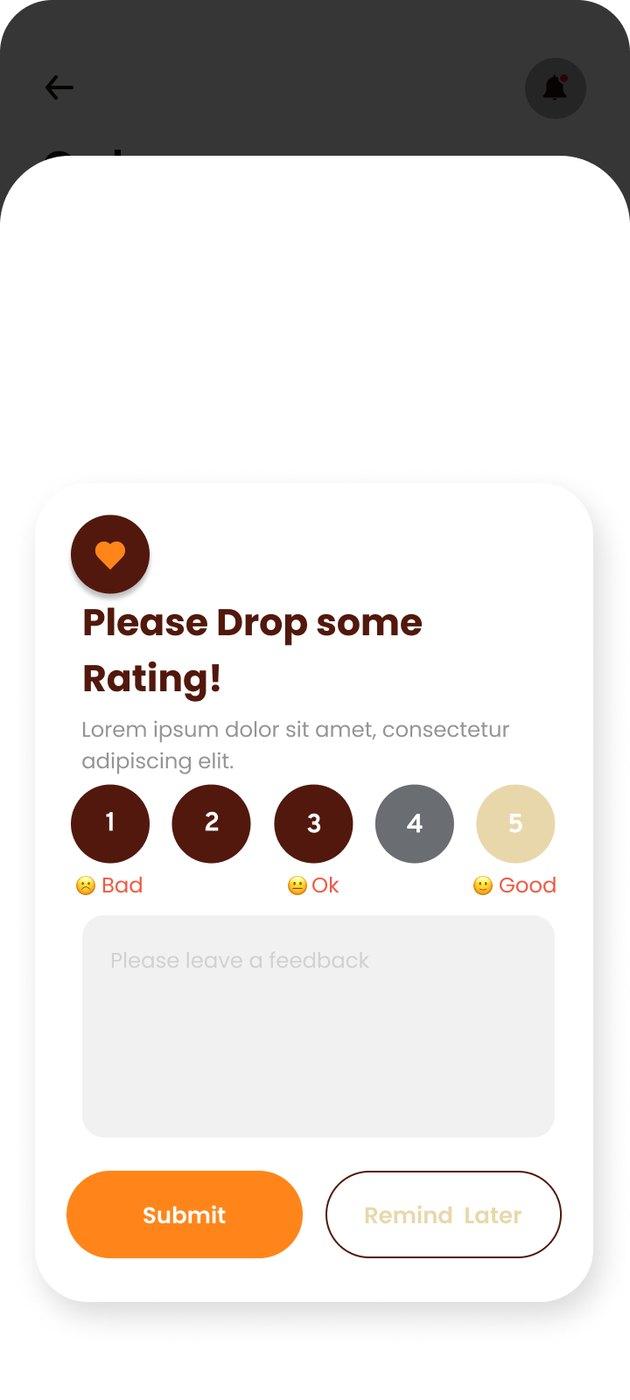
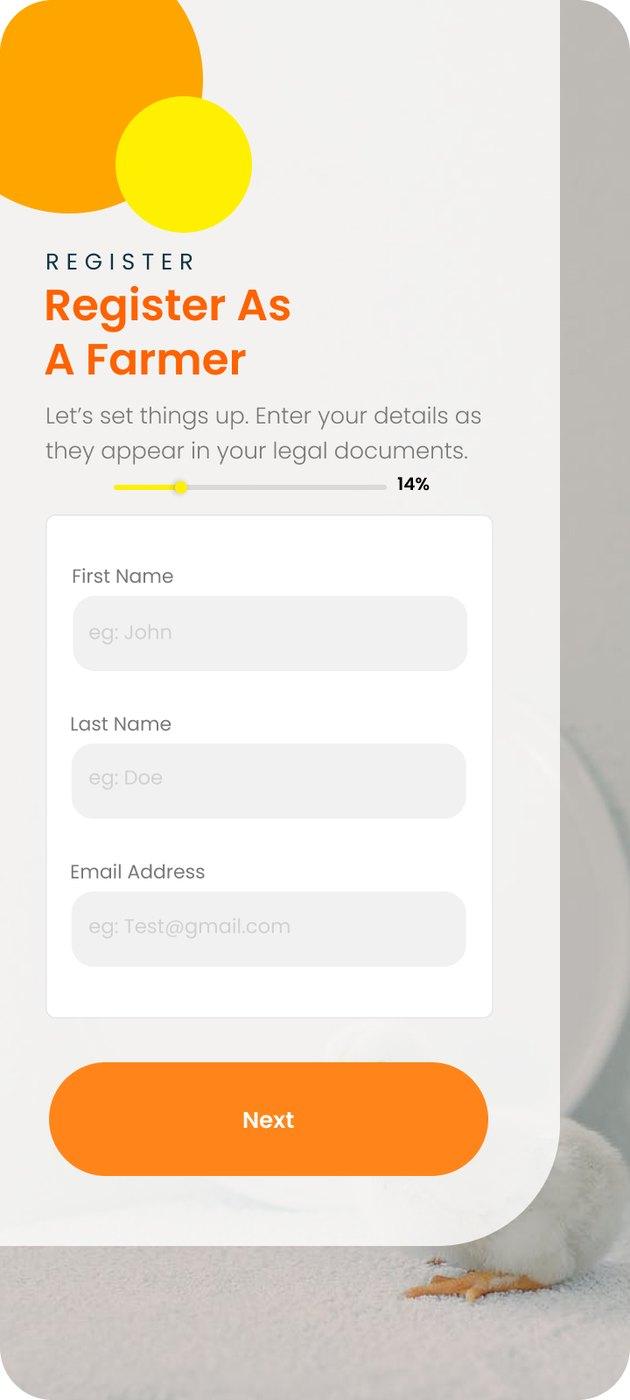
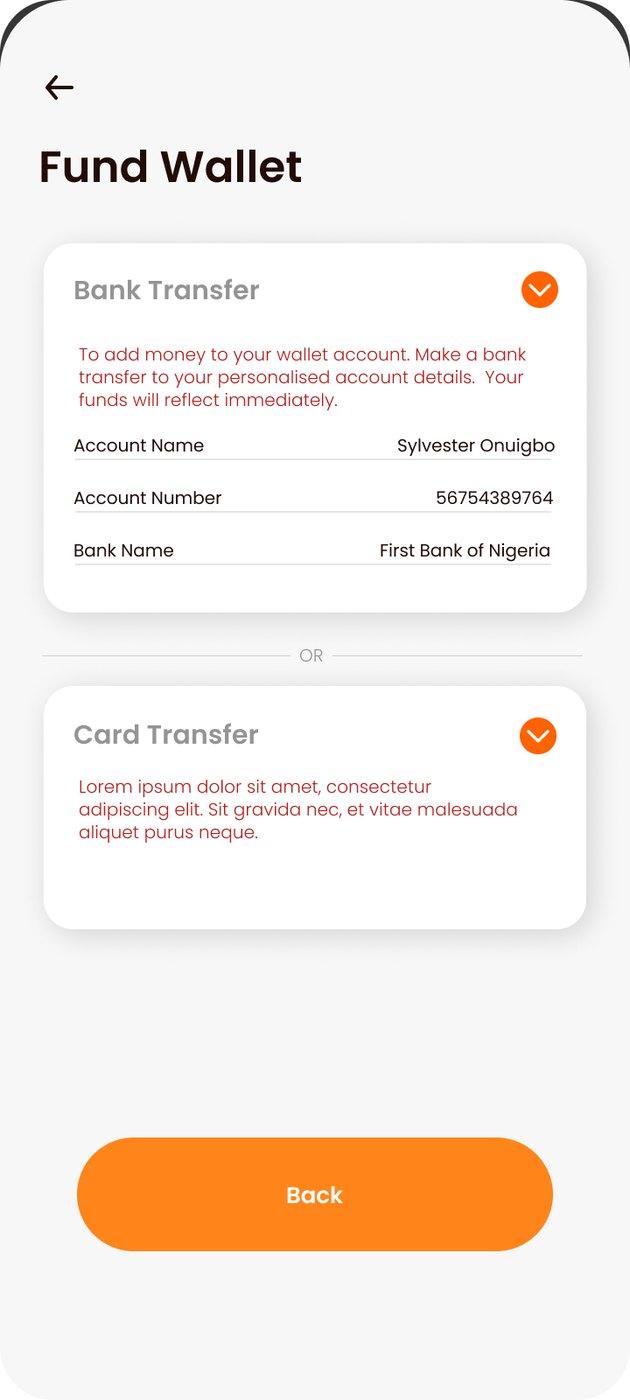
An online platform that lets poultry farmers order day-old chicks straight from the hatchery, pay from a wallet and choose a pickup point or farm delivery. I led the testing, turned what the business needed into clear product rules and managed every change with the development team.
- Client
- Amo Farm Sieberer Hatchery
- Sector
- Agri-tech · E-commerce
- When
- Two testing rounds, live on Google Play
- My role
- Testing lead, requirements and change control
0
Successful orders on the platform
0
Registered customers
0
Findings and change requests logged across two rounds
0
Connected modules: farmer app, driver app, hatchery and back office
Farmers needed a simple way to order day-old chicks from the hatchery without phone calls, paper invoices or guesswork about stock and delivery.
The platform had to handle wallet payments, fixed sale days, pickup points and farm delivery across different states, and still be easy for farmers with very different levels of reading and tech confidence.
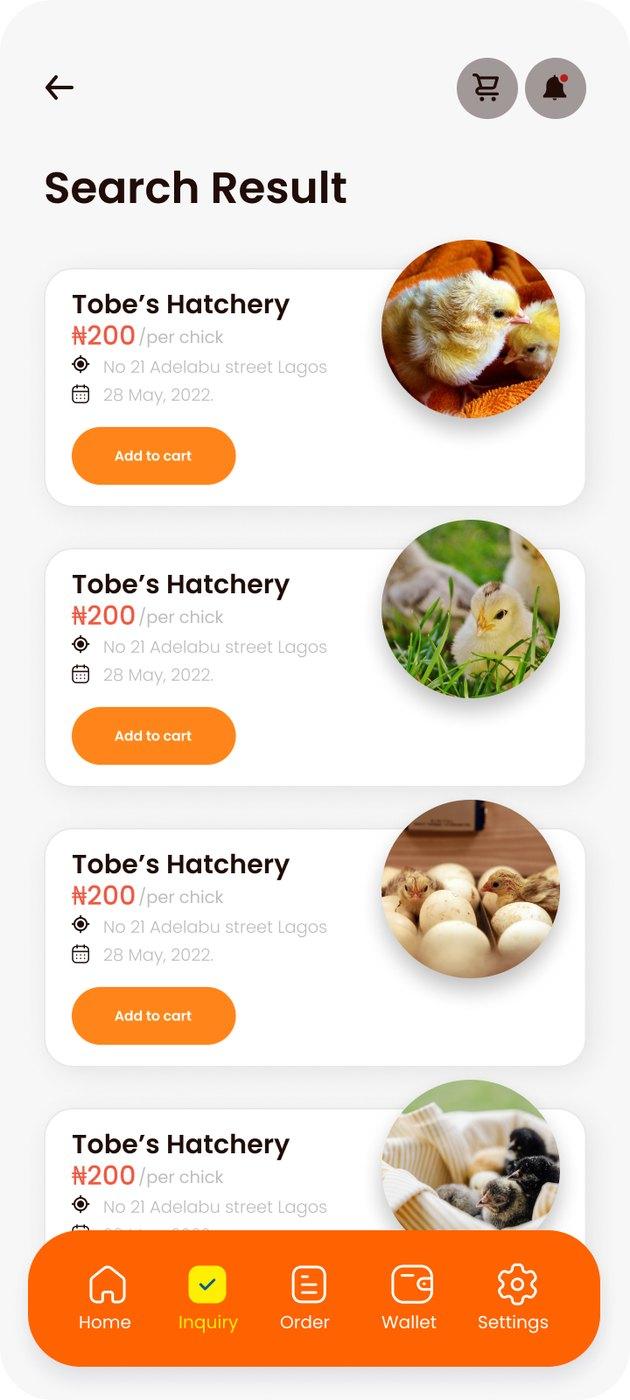
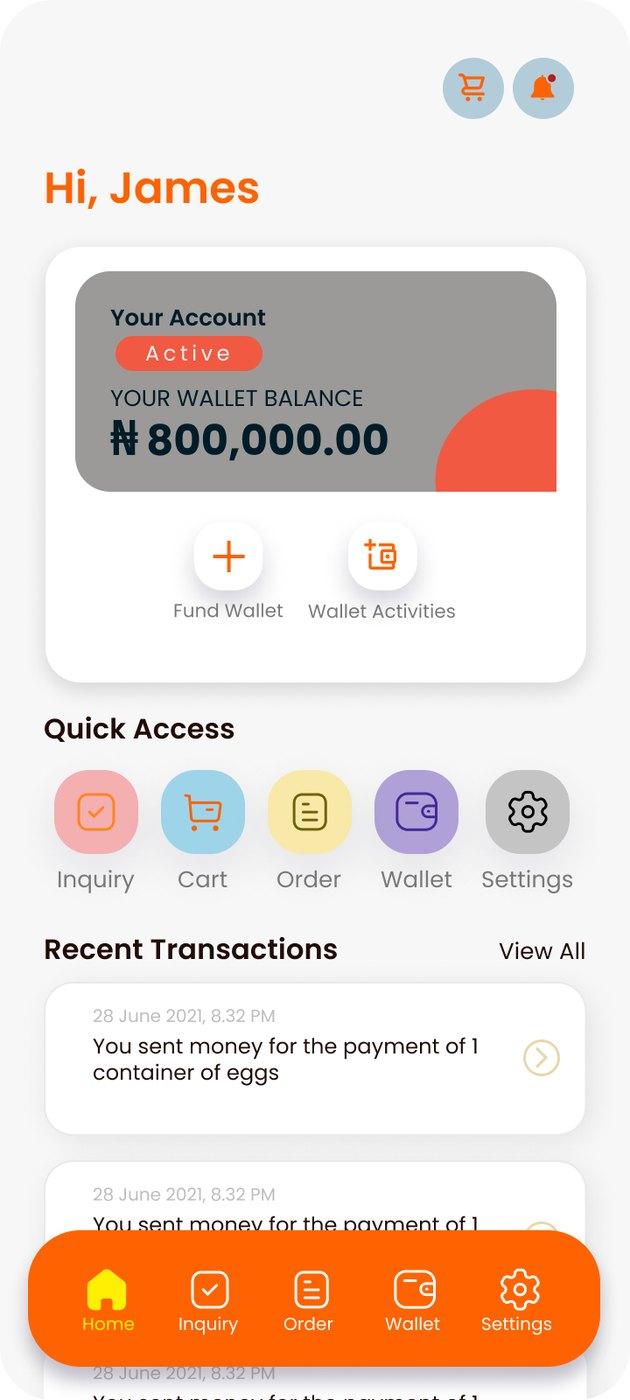
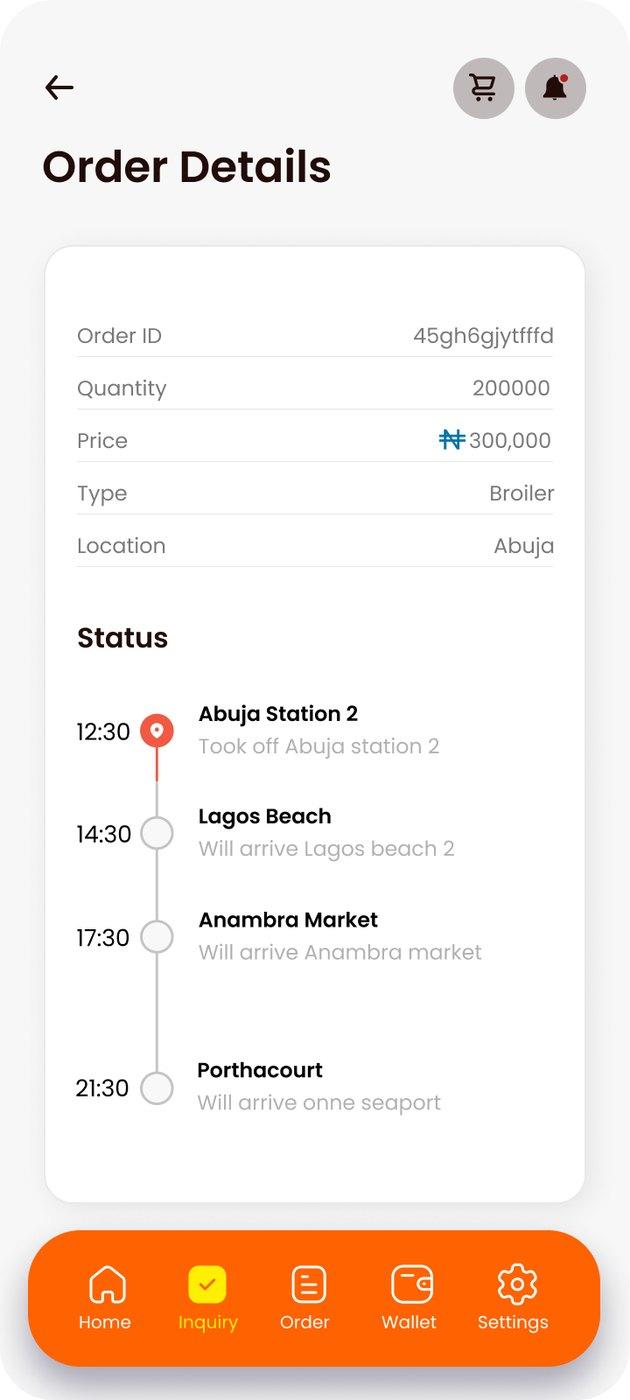
- 1
Tested it like a farmer would
I took my test team through every journey a real customer takes: registration, product enquiry, cart, wallet top-up, checkout and order tracking. Anything that confused them went straight into the log.
- 2
Logged everything, item by item
Each finding got a number, a screenshot and a clear expected result. The development team answered every item in writing, so nothing was lost between calls.
- 3
Turned operations into product rules
Chicks are only sold on Mondays and Thursdays, so only those dates should be clickable. Hatcheries sell breeds they don't own the names of, so duplicate product names had to be allowed. Addresses needed State, then LGA, then City or Location.
- 4
Protected the money and the stock
I pushed for orders to go through when the wallet balance exactly matches the order, for past-date orders to be blocked, for cart prices to refresh before checkout and for every item in a cart to share one pickup date.
- 5
Planned what comes next
SMS updates at four key moments (wallet top-up, driver assignment, dispatch and delivery), five-point ratings for product and driver, in-app support chat, live delivery tracking with an ETA, and delivery pricing ready for a new hatchery in Owerri.
Testing was run in rounds. Each round produced a numbered log that the development team answered item by item. Here are some of the items from each.
Round 1
App testing, feedback v1.1
- Sign-up bug: a farmer could still log in after registration failed
- Allow duplicate product names across hatcheries
- Add a Local Government Area (LGA) field, pre-loaded by state
- Rename "Pickup Delivery" to "Pickup Points"
- Make only Mondays and Thursdays selectable
- Add a password confirmation field
- Show the right destination in the order summary
- Make Manage buttons edit existing cities and states
Round 2
Feedback and response, January 2025
- Allow orders when the wallet balance equals the cart total
- Order notification emails to the support mailbox
- Block orders against past-date stock
- One pickup date for every item in a cart
- SMS alerts at four key moments of every order
- Ratings and comments for product and delivery
- A Finance role with a Refund Wallet button
- Fix cart, delivery fee and wallet deduction errors
Hatcheries don't own the patent of the chicks they sell, so they have to always use either the name given by the patent owners or the common name of the product in the market.
I think "Available Products" will identify with the customers more, given their assumed literacy level.
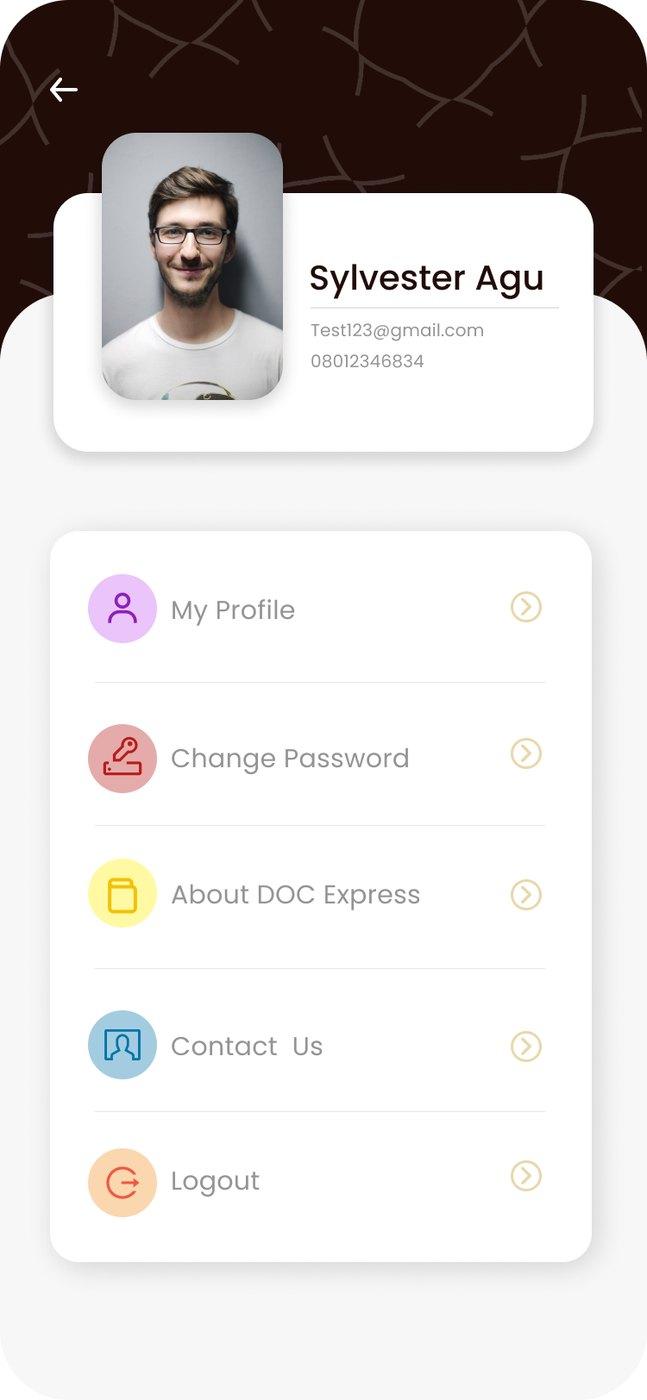
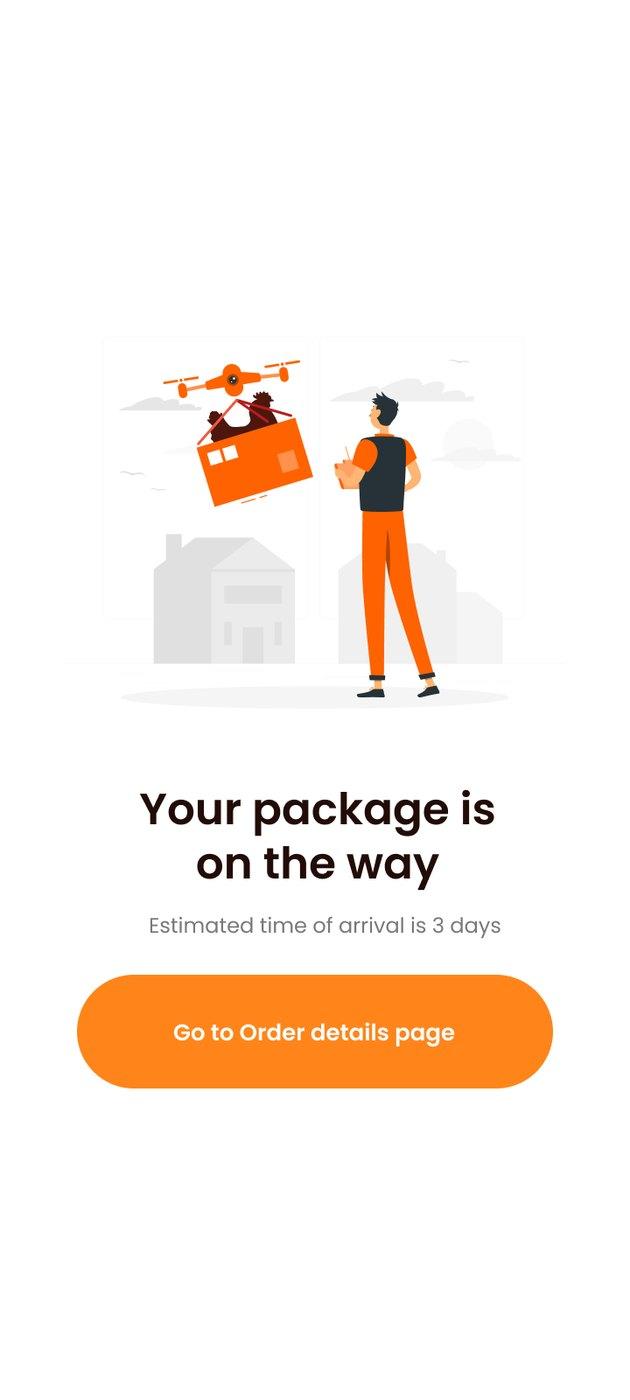
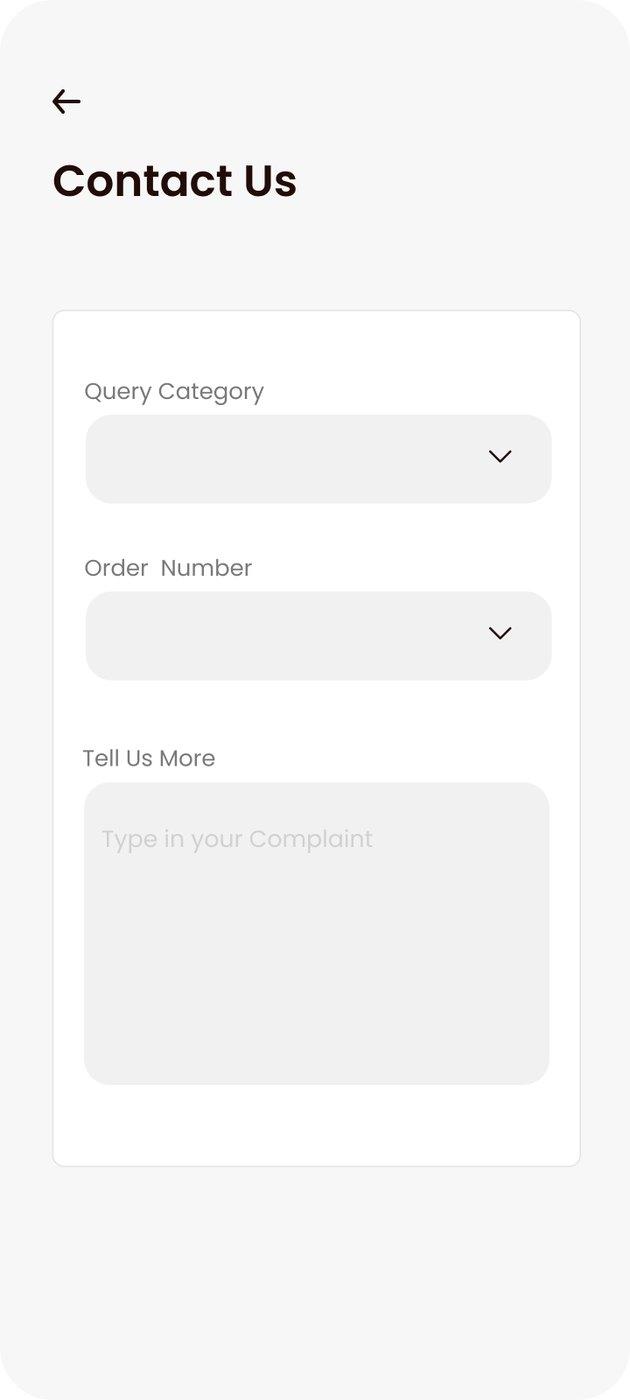
All 21 screens of the farmer app, grouped by what the farmer is doing. Pick a journey, then tap any screen to see it full size.
The admin side of the platform: live statistics, customer orders, delivery tracking, refunds and product management.
- The farmer app is live on Google Play and the back office is live, processing orders for the hatchery.
- The back-office dashboard shows 1,781 customers and 19,699 successful orders.
- Findings from both rounds were logged in writing, and the development team responded item by item.
- A clear roadmap for the next release, built from real operational needs rather than guesses.